
Diamond blades are cutting tools designed to slice through hard materials with precision and efficiency. They are widely used in construction, manufacturing, and stone processing industries. These blades do not actually cut with diamonds alone. Instead, they use small diamond particles embedded in a metal matrix. This design allows them to handle tough surfaces like concrete, granite, and asphalt.
How Diamond Blades Are Made
Diamond blades are manufactured by combining industrial-grade diamonds with metal powders to form a strong cutting edge. The diamonds are synthetic and designed to withstand high temperatures and pressure during cutting tasks. These particles are bonded into segments, which are then attached to a steel core. The process often involves sintering, where heat and pressure fuse the materials together. This creates a durable and long-lasting blade.
The composition of the metal bond plays a major role in how the blade performs under different conditions. Softer bonds wear down faster, exposing new diamond particles, which makes them suitable for harder materials. Harder bonds last longer but are better for softer materials. Manufacturers carefully adjust these combinations to match specific cutting needs. Precision matters a lot. Small changes affect performance.
Types of Diamond Blades
There are several types of Diamond Blades each designed for a specific application and material. Some blades are made for dry cutting, while others require water to reduce heat and dust. Segmented blades are common for rough cutting tasks, while continuous rim blades provide smoother finishes. Turbo blades offer a balance between speed and precision. Each type serves a purpose.
In industrial settings, tools and accessories often come from various suppliers, and professionals sometimes explore unrelated products like when sourcing equipment or accessories for business operations. This shows how diverse procurement needs can be across industries. Equipment choices depend on the task. Planning improves efficiency.
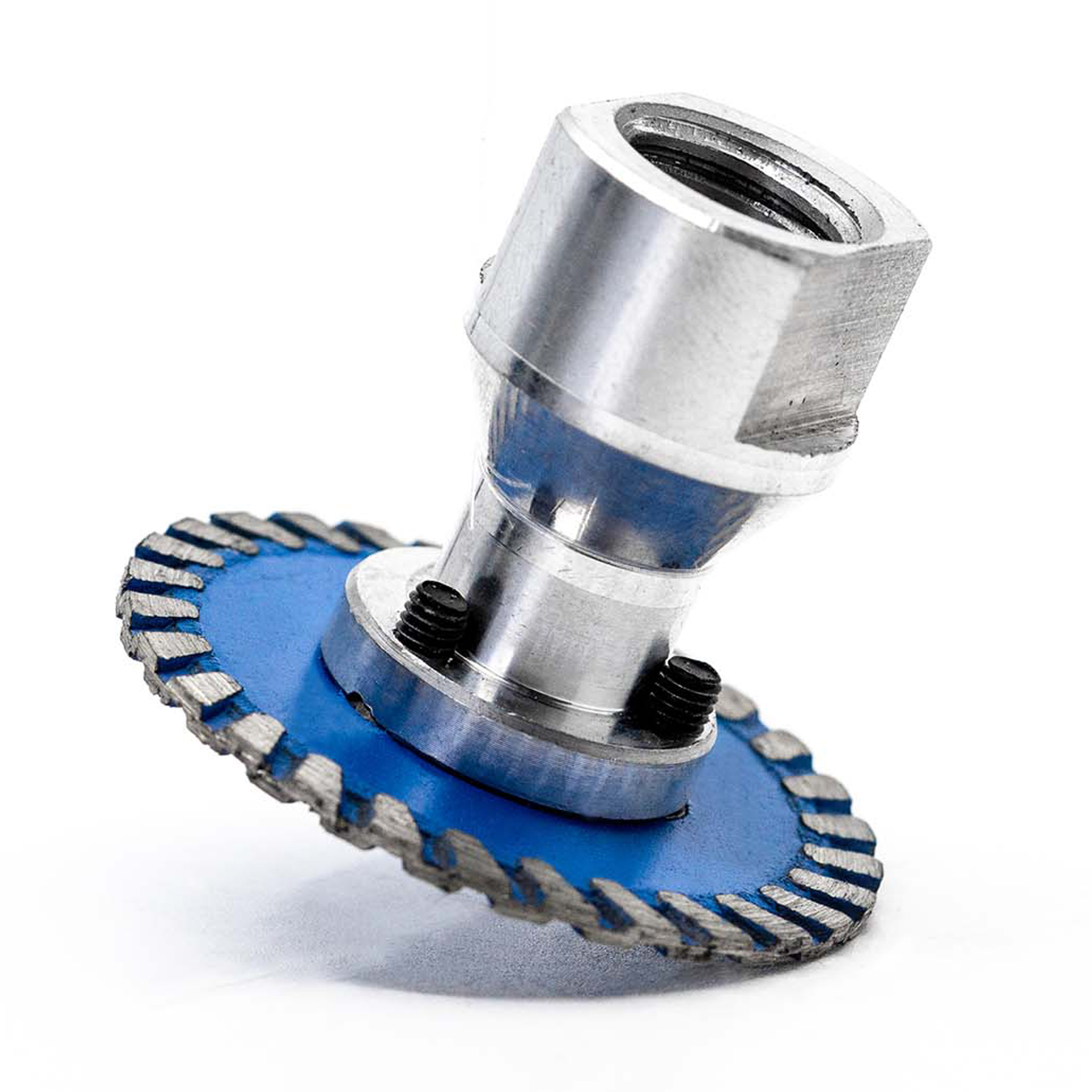
Here are some common types of diamond blades:
– Segmented blades for fast and aggressive cutting
– Continuous rim blades for smooth finishes on tiles
– Turbo blades for balanced performance
– Specialty blades for materials like glass or marble
Each blade type is built to perform best under certain conditions, and selecting the right one can greatly affect both the speed and quality of the cutting process. Some projects require clean edges, while others focus more on cutting speed and durability.
Applications in Different Industries
Diamond blades are used across many industries due to their ability to cut through extremely hard materials. In construction, they are often used to cut concrete slabs, bricks, and reinforced structures. Road workers use them to slice asphalt during repairs or expansions. Stone fabricators rely on these blades to shape granite and marble surfaces. Their use is widespread.
Manufacturing industries also depend on diamond blades for precision cutting of ceramics and other engineered materials, where accuracy is critical and even small errors can lead to wasted resources or product defects. In some cases, automated machines use these blades to maintain consistent cutting patterns over long production cycles. Efficiency is key. Time matters.
Maintenance and Safety Practices
Proper maintenance of diamond blades helps extend their lifespan and ensures safe operation during use. Cleaning the blade after each job removes debris that can affect performance. Regular inspection is also important to check for cracks or uneven wear. Operators should always follow recommended speed limits for each blade type. Safety comes first.
Using the correct blade for the material is essential, as mismatched tools can lead to poor results and increase the risk of accidents during operation, especially when dealing with high-speed cutting equipment that generates heat and debris. Protective gear such as gloves, goggles, and masks should always be worn. Awareness reduces risks. Careful handling is necessary.
Future Trends in Diamond Blade Technology
Advancements in technology are shaping the future of diamond blades, making them more efficient and longer-lasting. New bonding techniques are being developed to improve durability and cutting performance. Some manufacturers are experimenting with advanced materials to enhance heat resistance. These changes aim to reduce wear and increase productivity. Innovation continues.
Automation is also influencing how diamond blades are used, with machines now able to perform precise cuts without constant human input, which improves consistency and reduces labor demands in large-scale operations. As industries grow, the demand for high-performance tools will likely increase. Development will continue in this field.
Diamond blades remain essential tools in many industries, offering reliable performance for cutting hard materials. Their design, variety, and ongoing development ensure they will continue to play an important role in construction and manufacturing tasks for years to come.
https://shorturl.fm/bjkJJ