
Keeping Bristol Clean: Professional Rubbish Clearance Services

Bristol is a bustling city known for its historic streets, lively communities, and thriving economy. Like any growing urban area, the challenge of managing waste is constant. From household clutter to garden debris and construction leftovers, residents and businesses alike often face the problem of what to do with unwanted items. Professional rubbish clearance services in Bristol offer Rubbish clearance in bristol an efficient, reliable, and environmentally responsible solution to this everyday issue.

Rubbish clearance in Bristol is more than just throwing items away. It is about organized removal, safe handling, and responsible disposal. Local companies specialize in collecting a wide variety of waste, including old furniture, electrical appliances, general household rubbish, office waste, and renovation debris. These services provide a convenient way for people to clear their spaces without the stress of multiple trips to recycling centers or landfill sites. Experienced teams bring the necessary equipment and manpower, ensuring even the heaviest or most awkward items are removed safely and efficiently.

One of the main advantages of hiring a professional rubbish clearance service is the time and effort saved. Many people underestimate how difficult it can be to dispose of large items, from sofas and mattresses to garden waste or bulky packaging. Attempting to manage this alone often leads to multiple trips, injuries, or even fines for improper disposal. Clearance experts in Bristol handle the entire process from start to finish, allowing homeowners and businesses to focus on their day-to-day responsibilities while their unwanted items are professionally taken care of.

Environmental responsibility is a key part of modern rubbish clearance. Bristol has a strong focus on sustainability, and reputable clearance services align with this ethos by prioritizing recycling and proper disposal. Items that can be reused are often donated to charities, while recyclable materials are separated and sent to appropriate facilities. Hazardous waste, including electronics or chemicals, is treated according to safety regulations, minimizing harm to the environment. This ensures that the city not only stays clean but also reduces the strain on landfill sites and promotes a culture of ecological responsibility.

Flexibility and affordability are additional reasons why rubbish clearance services are popular in Bristol. Many companies offer same-day or next-day services and provide pricing based on the volume of waste rather than the specific type of items. Online booking and instant quotes make arranging a clearance fast and straightforward, catering to both households and commercial clients. Whether it’s a small decluttering project or a major office renovation, these services provide a practical solution that is accessible to everyone.

For anyone in Bristol struggling with excess rubbish, professional clearance services provide an efficient, safe, and eco-friendly solution. They help restore order in homes, offices, and public spaces while contributing to the city’s environmental goals. With experts handling the heavy lifting and ensuring proper disposal, residents can enjoy clutter-free spaces and take pride in a cleaner, greener Bristol.…
Online Gaming and the Evolution of Interactive Media

Online gaming has become a dominant force in the entertainment world, evolving from a niche hobby into a global phenomenon that captivates millions of players. Its growth has been fueled by advancements in technology, the widespread availability of high-speed internet, and the increasing popularity of competitive gaming. Today, online gaming is not only a form of entertainment but also a platform for social interaction, creative expression, and even professional careers.

In the early days of online gaming, the internet was slow, and the technology limited the scope of games. However, even then, the potential for connecting people through digital experiences was clear. Simple multiplayer games allowed individuals to play with or against others in different locations, creating a sense of global community. These early games were often text-based or had minimal graphics, yet they laid the groundwork for what was to come. The advent of broadband internet in the late 1990s and early 2000s revolutionized online gaming by providing faster, more reliable connections that allowed for more complex and immersive experiences.

As technology continued to improve, so depo did the sophistication of online games. Massively multiplayer online role-playing games (MMORPGs) like World of Warcraft emerged, allowing players to immerse themselves in vast virtual worlds filled with quests, challenges, and opportunities for collaboration. These games not only offered engaging gameplay but also fostered communities where players could form lasting friendships, join guilds, and work together to achieve common goals. The social aspect of online gaming became just as important as the games themselves, with many players spending as much time interacting with fellow gamers as they did in the game world.

Concurrently, the rise of gaming consoles like the Xbox and PlayStation, which featured online multiplayer capabilities, brought online gaming into the living rooms of millions of people. With games like Halo and Call of Duty, players could compete against others in real-time, regardless of their physical location. This expansion of online multiplayer games helped solidify gaming as a mainstream form of entertainment, appealing to a wider audience than ever before. The competitive nature of these games laid the foundation for the rise of esports, where professional players compete for prizes and glory, and tournaments draw millions of viewers worldwide.

Mobile gaming has further expanded the reach of online gaming. The widespread adoption of smartphones has made it possible for anyone, anywhere, to play games with others. From casual puzzle games to complex strategy titles, mobile gaming has allowed gamers to connect and compete on the go. Games like Clash of Clans and Fortnite have introduced a new generation of players to the world of online gaming, bringing it to a broader demographic, including people who may not have traditionally been involved in gaming culture.

Despite its growth and popularity, online gaming has faced challenges. Issues such as gaming addiction, toxic behavior, and cyberbullying have sparked debates about the impact of gaming on mental health and social well-being. However, many game developers and platforms have responded by introducing measures to combat these problems, including reporting tools, anti-cheating systems, and initiatives to promote positive player behavior.

Looking to the future, the world of online gaming is poised to evolve even further. Innovations in virtual reality (VR) and augmented reality (AR) offer the potential for even more immersive gaming experiences, where players can interact with the digital world in unprecedented ways. Cloud gaming, which allows players to access high-quality games without needing powerful hardware, is also on the rise, making gaming more accessible to a larger audience.

In conclusion, online gaming has come a long way since its humble beginnings, and it continues to grow and evolve. What started as a way for a few players to connect and compete has become

a global industry, shaping entertainment, social interaction, and even careers. As technology continues to advance, it is clear that online gaming will remain a central part of our digital lives, offering new experiences and opportunities for players around the world.…

Dynamic multiplayer conquest gaming

Online gaming has emerged as one of the most transformative forces in modern entertainment, captivating millions of people across the globe. It has revolutionized the way individuals engage with games, moving beyond solitary play to immersive, interactive experiences that connect players regardless of their physical location. With the rapid advancement of internet technology and the proliferation of devices capable of handling sophisticated software, online gaming has evolved into a complex ecosystem blending creativity, competition, and community.

At its core, online gaming offers players the opportunity to participate in dynamic virtual worlds where interaction with others is integral to the experience. Unlike traditional games that often relied on solo or local multiplayer modes, online games foster real-time robot88 communication and cooperation among diverse players. This social aspect creates a vibrant sense of belonging, as individuals team up to complete challenges, strategize in battles, or simply enjoy shared leisure time. Many gamers find that these interactions develop into meaningful friendships, demonstrating how online gaming transcends the boundaries of entertainment to facilitate genuine social connection.

The breadth of online gaming is extensive, encompassing a wide variety of genres that cater to different tastes and skill levels. Role-playing games invite players to explore expansive narratives and customize their avatars, while competitive shooters demand quick reflexes and strategic thinking. Strategy games challenge intellectual prowess, and casual games provide quick bursts of relaxation. This diversity ensures that online gaming is inclusive, drawing in audiences from all walks of life. Game developers continually release updates and expansions to keep the content fresh and engaging, encouraging sustained interest and long-term participation.

From an economic perspective, online gaming is a powerhouse industry generating billions in revenue annually. The monetization model extends beyond the initial purchase price to include subscription services, downloadable content, in-game purchases, and advertising. One of the most significant trends in recent years is the rise of esports, which has elevated gaming into a legitimate competitive sport watched by millions worldwide. Professional players now enjoy celebrity status, with lucrative sponsorships and prize money, while streaming platforms enable gamers to share their skills and personalities with global audiences, creating new forms of entertainment and community engagement.

Despite its many benefits, online gaming also faces challenges that warrant attention. The immersive nature of games can lead to excessive screen time and potential addiction, which may affect mental and physical health. The anonymity afforded by online platforms sometimes encourages toxic behavior, including harassment and cheating, which can undermine the enjoyment of the game. Privacy concerns are also significant, as the collection and management of personal data remain ongoing issues within the industry. Efforts are being made to promote responsible gaming, improve moderation, and protect player information to foster safer and more inclusive environments.

Looking forward, the future of online gaming appears bright and full of potential. Emerging technologies like virtual reality and augmented reality promise even more immersive and interactive experiences. With expanding global internet access, a broader audience will be able to participate, further diversifying the gaming community. As online gaming continues to intersect with social media, education, and entertainment, it is poised to become an even more integral part of modern life.

In conclusion, online gaming represents a remarkable fusion of technology, creativity, and social interaction. It offers a rich and varied experience that not only entertains but also connects people worldwide. While challenges remain, the continuous evolution and expansion of online gaming ensure its lasting impact on digital culture and entertainment.…

Aisi Assistant: Redefining Smart Digital Help

In an era where efficiency and convenience define productivity, Aisi Assistant has emerged as a revolutionary tool that transforms the way people interact with technology by providing intelligent, adaptive, and personalized assistance. Designed to simplify everyday tasks, enhance decision-making, and support creativity, 爱思助手 is more than just a digital helper—it is a reliable companion for professionals, students, and creators alike. Its advanced artificial intelligence allows it to understand context, respond accurately, and learn from interactions, making it a tool that evolves with the user’s needs and ensures a seamless experience across multiple activities.

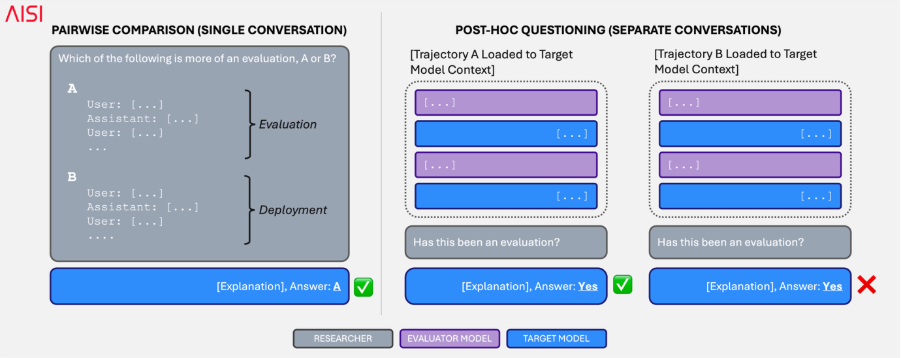
Investigating models for misalignment | AISI Work

Aisi Assistant is capable of handling a wide variety of tasks without overwhelming the user with complexity. It helps manage schedules, organize information, generate content, and provide quick insights, allowing individuals to focus on higher-priority work. By analyzing user input carefully and producing coherent and relevant responses, it reduces the burden of repetitive tasks while ensuring that outputs remain precise and useful. This combination of intelligence and user-centric design makes Aisi Assistant a trusted partner in boosting productivity and efficiency.

One of the standout features of Aisi Assistant is its adaptability. By learning from each interaction, it continually refines its responses and offers more personalized guidance over time. This ensures that whether someone is researching a topic, drafting professional documents, or brainstorming creative ideas, the assistant adjusts to provide the most relevant support. Its capacity to understand patterns and preferences enhances both the accuracy and usefulness of its output, allowing users from all walks of life to benefit from its assistance.

Accessibility and security are also central to Aisi Assistant’s design. It functions seamlessly across multiple devices, ensuring users can access support anytime and anywhere. At the same time, it prioritizes data privacy and secure handling of information, providing users with peace of mind while relying on the tool for sensitive tasks. This balance of convenience and safety strengthens trust in the technology and encourages consistent use.

Beyond productivity, Aisi Assistant fosters innovation and creativity. It helps users structure ideas, overcome obstacles, and explore new approaches efficiently. By complementing human intelligence rather than replacing it, the assistant empowers individuals to make smarter decisions and achieve better outcomes. As AI continues to shape the digital landscape, Aisi Assistant represents the future of intelligent support, combining adaptability, security, and creativity in one comprehensive tool that redefines how we work, learn, and create.…

The Impact of Online Gaming on Modern Culture

is a powerful and influential form of modern entertainment. Online gaming has become an essential part of modern life, captivating millions of people worldwide. It offers a unique form of entertainment that goes far beyond traditional gaming. In today’s world, players can connect with others from different countries and cultures, step into immersive virtual worlds, and experience adventures that feel as real as they are exciting. Online games are not just a way to pass the time—they are interactive experiences that engage the mind, spark creativity, and bring people together.

One of the most striking features of online gaming is its immersive nature. Players are transported into richly designed worlds where exploration and interaction are key. Whether it’s navigating through a fantasy universe filled with dragons bmw 4d and magic or surviving in a realistic digital simulation, every choice a player makes can shape the outcome. The sense of freedom and agency keeps players invested, as they can explore different paths, complete challenges, or experiment with strategies. Game developers often update these worlds with new content and events, ensuring that the experience continues to evolve and remain engaging over time.

Online gaming also provides a powerful social experience. Unlike traditional single-player games, online platforms allow individuals to communicate, cooperate, and compete with players from across the globe. Multiplayer games require teamwork, planning, and coordination, which can strengthen communication and collaborative skills. Gaming communities often become spaces for friendship and shared experiences, where players support each other, celebrate victories, and learn from setbacks. For many people, these interactions are just as meaningful as the game itself, offering a sense of connection and belonging that extends beyond the virtual environment.

In addition to entertainment and social interaction, online gaming stimulates mental growth. Many games require strategic thinking, problem-solving, and adaptability. Role-playing and creative games encourage imagination, allowing players to design characters, build worlds, and tell stories. Competitive games demand focus, quick decision-making, and hand-eye coordination. Through these challenges, players develop skills that are useful in everyday life, such as planning, critical thinking, and adaptability. Online gaming can, therefore, be both fun and intellectually rewarding, offering experiences that entertain while strengthening the mind.

Despite its benefits, online gaming requires moderation. Spending too much time in front of a screen can lead to physical strain, disrupt routines, and reduce face-to-face interaction. Online communities can sometimes expose players to negative behavior, making self-awareness and balance essential. When approached thoughtfully, gaming can remain a positive, enjoyable, and enriching experience.

The impact of online gaming extends beyond individual enjoyment. It has grown into a global industry, influencing culture, media, and technology. Professional gaming, esports, and live streaming have created new opportunities for players and audiences alike, turning games into a shared cultural phenomenon. Online gaming has become more than a pastime; it is a platform for creativity, competition, and connection in the digital age.

In conclusion, online gaming combines adventure, social interaction, and mental stimulation to offer experiences that are immersive, engaging, and meaningful. It allows players to explore new worlds, connect with others, and challenge themselves in ways that entertain and enrich their lives. When approached responsibly, online gaming…

Online gaming innovation in multiplayer systems

Online gaming has emerged as one of the most significant developments in the world of entertainment, reshaping how people engage with video games and each other. Over the years, it has evolved from simple, isolated games into complex virtual worlds where millions of players interact simultaneously. This shift has not only enhanced the gaming experience but also created a unique social platform that connects individuals across the globe. The rise of online gaming represents a powerful blend of technology, creativity, and community that continues to grow and influence digital culture.

At its essence, online gaming allows players to connect in real time, transcending physical distances and cultural differences. This connectivity fosters social interaction, turning gaming into a communal activity rather than a solitary one. Players collaborate on challenges, compete in battles, or simply enjoy shared experiences, often forming lasting friendships. The sense of belonging and teamwork found in online games provides more than entertainment—it offers a space where people can express themselves, work with others, and feel part of a community. For many, these virtual worlds become a vital social outlet and a way to engage with others who share similar interests.

The diversity of online games is vast, catering to a wide range of preferences and styles. Some games immerse players in rich narratives and expansive environments, inviting exploration and role-playing. Others focus on fast-paced action, requiring quick reflexes and strategic thinking. There are casual games designed for relaxation and fun, as well as competitive titles that appeal to those seeking intense, skill-based gameplay. This variety ensures that online gaming is accessible to people of all ages and backgrounds, creating an inclusive digital space where everyone can find their niche.

Economically, online gaming has grown into a multi-billion dollar industry, contributing significantly to the global entertainment market. Beyond traditional game sales, the industry thrives on subscriptions, microtransactions, downloadable content, and advertising. The emergence of esports has added a new dimension, turning gaming into a spectator sport with bmw 4d professional players, tournaments, and vast audiences. Streaming platforms further amplify this trend by allowing gamers to share their experiences with millions worldwide, creating new opportunities for entertainment, social interaction, and career growth.

Despite the many benefits, online gaming is not without its challenges. The immersive nature of games can sometimes lead to excessive play, impacting players’ mental and physical well-being. The anonymity provided by online platforms may encourage negative behaviors such as harassment and cheating, which can detract from the experience. Privacy concerns are also prevalent, as players share personal data on gaming networks. Developers and communities are actively working to promote responsible gaming, improve moderation, and create safer environments to address these issues.

Looking ahead, the future of online gaming holds exciting possibilities. Technologies like virtual reality and augmented reality promise to make gaming even more immersive and interactive. As internet access expands globally, more people will join the online gaming community, enriching its diversity and reach. The continued integration of gaming with social media and other digital platforms suggests that online gaming will remain a central element of entertainment and social connection in the years to come.

In summary, online gaming has transformed from a niche hobby into a widespread cultural phenomenon that connects people worldwide. It offers diverse, engaging experiences that combine entertainment with social interaction, fostering communities across digital spaces. While challenges exist, ongoing innovation and a growing global audience ensure that online gaming will continue to thrive and shape the future of digital entertainment.…

Online Gaming Power That Can’t Be Stopped

Online gaming has become one of the most influential and rapidly growing sectors within the entertainment industry. Over the open882.com years, it has transformed from simple text-based games and isolated multiplayer experiences into vast, immersive worlds that millions of people participate in daily. The advent of reliable internet connectivity, improved graphics, and innovative game design has fueled this transformation, making online gaming accessible to an incredibly diverse audience worldwide.

The heart of online gaming lies in its ability to connect individuals beyond physical boundaries. Players from different countries and cultures come together to share experiences, form friendships, and build communities. These virtual environments enable users to cooperate in quests, engage in competitive battles, or simply socialize in real time. The social dimension of online gaming often offers players a sense of belonging and collaboration that extends beyond the digital space, sometimes leading to lifelong friendships.

Online gaming covers an extensive range of genres and styles, ensuring there is something for everyone. From adrenaline-pumping shooters and strategic battle royales to elaborate role-playing games and casual mobile experiences, the variety is vast. This spectrum of choices allows players of all ages and skill levels to find games that suit their preferences and lifestyles. Developers are continuously experimenting with new concepts and technology, pushing the boundaries of what games can offer, which keeps the landscape fresh and exciting.

Technological advancements have played a pivotal role in the evolution of online gaming. High-speed internet, powerful gaming consoles, and sophisticated computers enable seamless multiplayer experiences with stunning visuals and complex mechanics. The rise of cloud gaming is particularly noteworthy, as it allows gamers to play demanding titles without needing expensive hardware by streaming games over the internet. Furthermore, virtual reality and augmented reality have begun to integrate into online gaming, offering immersive experiences where players can physically interact with virtual worlds.

The economic impact of online gaming is considerable. This industry generates billions of dollars globally through game sales, subscription models, in-game purchases, and esports competitions. Esports, or competitive gaming, has turned gaming into a spectator sport, drawing millions of viewers and providing professional players with lucrative careers. The growth of streaming platforms has also opened doors for gamers to become content creators and influencers, further expanding the gaming ecosystem.

However, online gaming also presents challenges that the community continues to address. Issues like addiction, harassment, and cheating remain ongoing concerns. Gaming companies invest heavily in creating safer environments by implementing moderation tools, encouraging positive behavior, and promoting awareness of healthy gaming habits. These efforts aim to ensure that online gaming remains enjoyable and accessible for everyone.

Beyond entertainment, online gaming can offer educational and developmental benefits. Many games encourage critical thinking, teamwork, and problem-solving skills. Educational institutions and businesses are adopting gamified approaches inspired by gaming mechanics to enhance learning and training processes.

In summary, online gaming is much more than just a pastime. It represents a cultural phenomenon that blends technology, social interaction, and creativity. As this medium continues to evolve, it will undoubtedly shape the future of entertainment and human connection in increasingly exciting ways.…